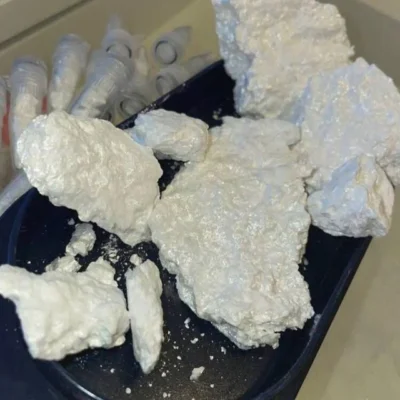
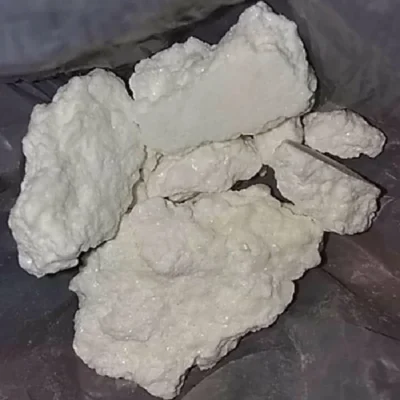
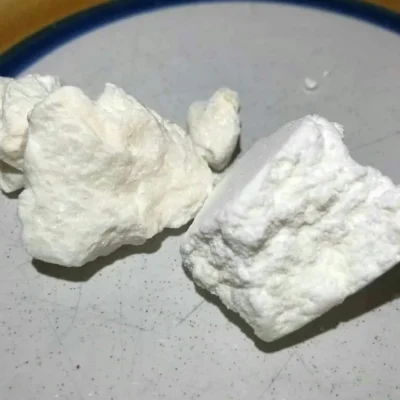
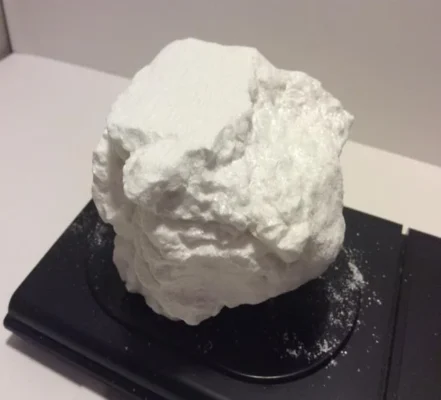
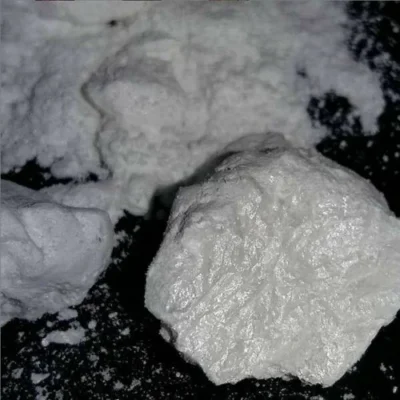
Cocaine addiction happens because of how the drug hijacks your brain’s reward system. It’s considered one of the most psychologically addictive drugs because the high is intense but short, which sets up a brutal cycle.
How addiction develops in the brain
Cocaine dumps huge amounts of dopamine into your brain — way more than natural rewards like food or socializing. Your brain thinks: “This is the most important thing ever.”
After repeated use
Tolerance: Brain makes less dopamine on its own. You need more cocaine to feel the same high, or even just to feel “normal” • Dependence: Without it, you get crashes → depression, fatigue, anxiety, intense cravings. Your brain now associates cocaine with survival • Compulsion: The prefrontal cortex, which handles judgment, gets weaker. Cravings override logic, even when you know the risks
That’s why someone can want to quit but feel physically/mentally unable to stop.
2. Signs of cocaine addiction
Psychological and behavioral signs are usually stronger than physical ones with cocaine:
Behavioral
Using more/often than planned, failed attempts to cut down, lots of time spent getting/using/recovering, neglecting work/family, risky use
Psychological
Cravings, continuing despite knowing it’s causing depression/anxiety/relationship issues, feeling you “need” it to function socially or work
Physical
Sleep problems, weight loss, nosebleeds/runny nose if snorted, dilated pupils, track marks if injected, heart issues. Withdrawal is mostly mental: fatigue, depression, agitation, vivid dreams, increased appetite.
Why it’s so hard to quit
1. Short high, bad crash: 15-30 min high → hours of low mood. Easiest “fix” is more cocaine
2. Strong triggers: People, places, stress, or even seeing cash can trigger intense cravings because the brain built strong associations
3. No meds for cravings: Unlike alcohol or opioids, there’s no FDA-approved medication that directly blocks cocaine cravings yet. Treatment relies heavily on therapy + support
4. Treatment that actually works
Addiction is treatable. It’s a medical condition, not a lack of willpower. Common approaches:
• Behavioral therapy: CBT helps identify triggers and build coping skills. Contingency management uses rewards for clean drug tests — it’s one of the most effective for cocaine • Support groups: NA, SMART Recovery, or local groups provide peer accountability
• Dual diagnosis care: If depression, anxiety, or PTSD is involved, treating both at the same time is key • Inpatient/outpatient programs: Depends on severity. Outpatient lets you keep work/family life; inpatient gives structure for severe cases
• Medical help for withdrawal: Doctors can’t stop cravings with meds yet, but they can treat depression, anxiety, and sleep issues during detox to make it safer
Relapse is common and part of the process for many people. It doesn’t mean treatment failed — it means the plan needs adjustment.
If you’re worried about yourself or someone else
1. Talk to a doctor: They can assess safely and confidentially.
2. National Anti-Drug Committee UK : Can direct to resources
3. Emergency: If someone has chest pain, seizures, or severe paranoia after use, get medical help immediately
Addiction changes the brain, but the brain can heal with time and support. Recovery is absolutely possible.
Do you want me to break down what the first week of quitting looks like, or how to help someone who isn’t ready to stop yet?
Got it — here’s what the first week of quitting cocaine usually looks like. Everyone’s different, but this is the most common pattern based on clinical research.
Timeline starts from the last dose. Withdrawal from cocaine is mostly psychological, not physical like alcohol or heroin, but it can still feel intense.
The first 7 days: “Crash → Withdrawal → Craving”
What’s happening in your body/brain
0-24 hrs: The Crash
Dopamine plummets. Brain is exhausted from overstimulation
Days 2-4: Acute Withdrawal
Brain chemistry is rebalancing. Sleep cycle is messed up
Days 5-7: “The Wall”
Mood starts leveling but cravings spike. Brain is testing if you’re serious